The quiet craft of focused work
In an age of infinite notifications, the ability to sit with a single problem for an hour has become a rare, valuable skill.

We used to worship busyness. The full inbox, the packed calendar, the badge of exhaustion worn like a trophy. Then, quietly, something shifted. Somewhere between the third reorg and the tenth productivity app, a small group of people stopped optimising their day and started defending it.
The people producing the most interesting work today share one trait: they protect long, uninterrupted stretches of thinking. No standups. No Slack. Just a problem and the patience to stay with it. Two hours, maybe three. A closed door, or a coffee shop where nobody knows their name.
This is not a productivity trick. It is a way of relating to work — treating attention as the scarcest resource you have, and spending it deliberately. Meetings are cheap; the hour after the meeting, when your mind is fragmented, is not. Notifications are free; the twenty minutes it takes to return to a hard problem after one is not.
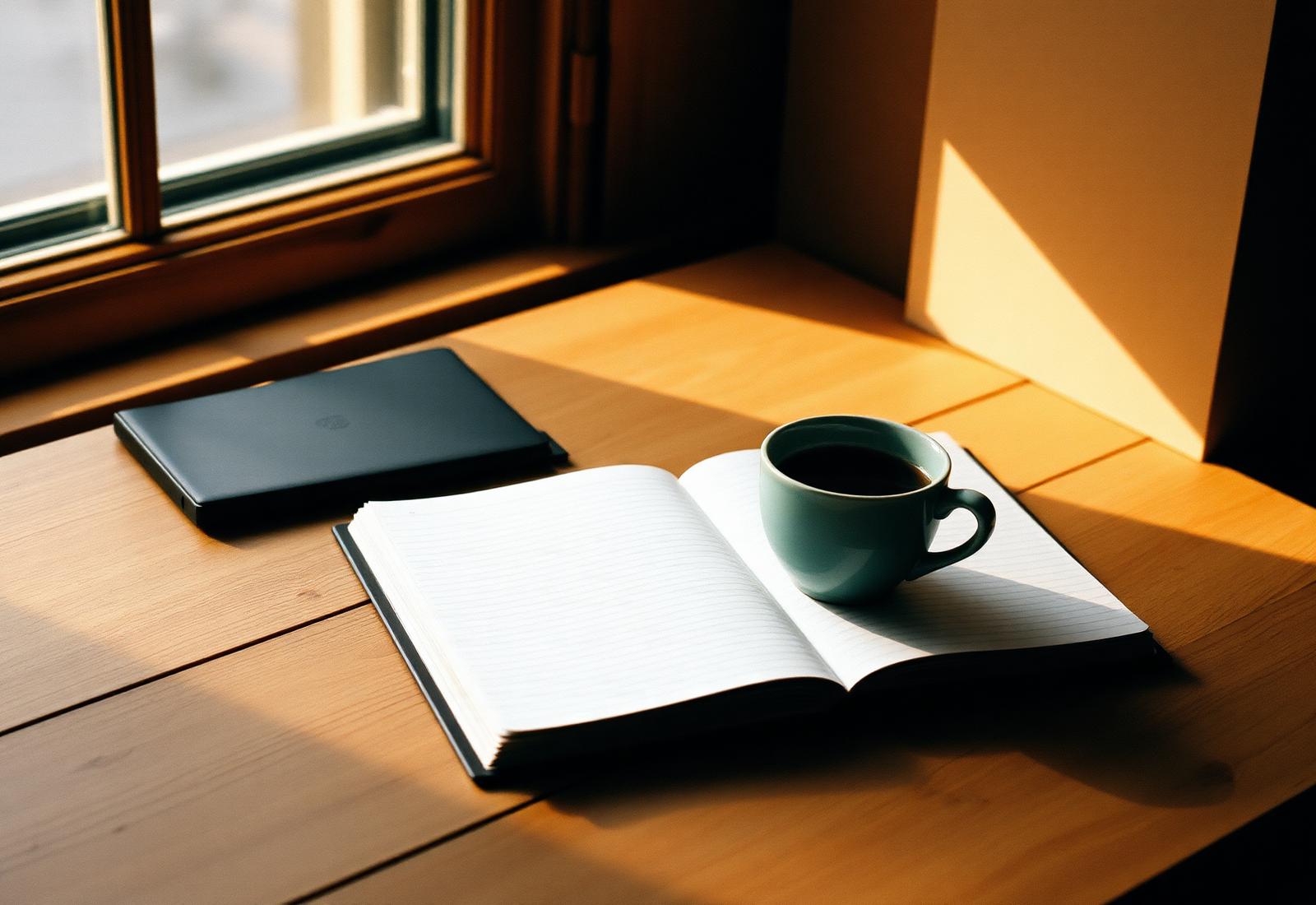
The practical shape of this is quieter than it sounds. It looks like a calendar with fewer things on it. A phone left in another room. A single browser window. A notebook, sometimes, because the friction of writing by hand slows the mind to the speed of thought.
None of this is new. What is new is how radical it now feels. To close a laptop in the middle of the afternoon and think for an hour used to be called doing your job. Today it is called a discipline. Whatever we call it, the work it produces is unmistakable — and increasingly, it is the only work that matters.