Cooking as medicine
The kitchen is quietly becoming the most underrated wellness tool of the decade.
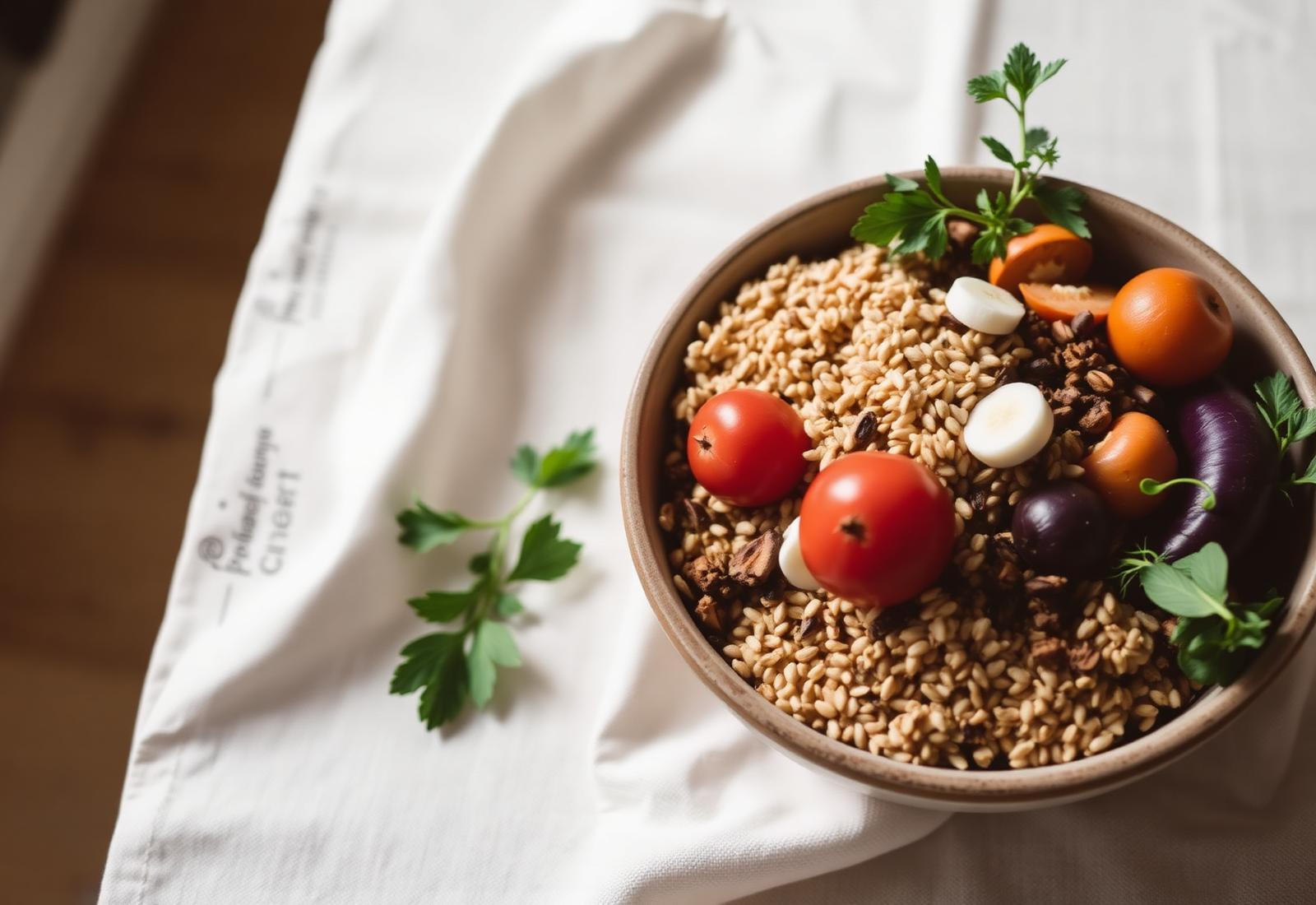
Every meal you cook is a small vote for how you want to feel tomorrow. Not because home cooking is magic, but because it forces choices — salt, fat, portion, pace — that a menu makes for you.
You do not need a plan. You need a pantry, thirty minutes, and the willingness to eat something imperfect. Olive oil, garlic, onions, eggs, a good grain, one green thing, one acid. With those on hand, dinner is a question of assembly, not inspiration.
The health benefit is real but almost secondary. What the kitchen actually does is slow you down. Chopping is a kind of thinking. Waiting for water to boil is a small act of patience the day rarely otherwise asks of you. By the time you sit down to eat, the argument in your head has quieted.
Cook the same five things until you can do them without a recipe. That is your repertoire. Everything else is variation. Rotation, not novelty, is what makes home cooking sustainable — and what makes it feel less like a task and more like a rhythm.
The people who eat best are not the ones with the best recipes. They are the ones who, on a tired Tuesday, still light the stove.