The long game of saving
Compounding is boring. That is exactly why it works — and why so few of us let it.
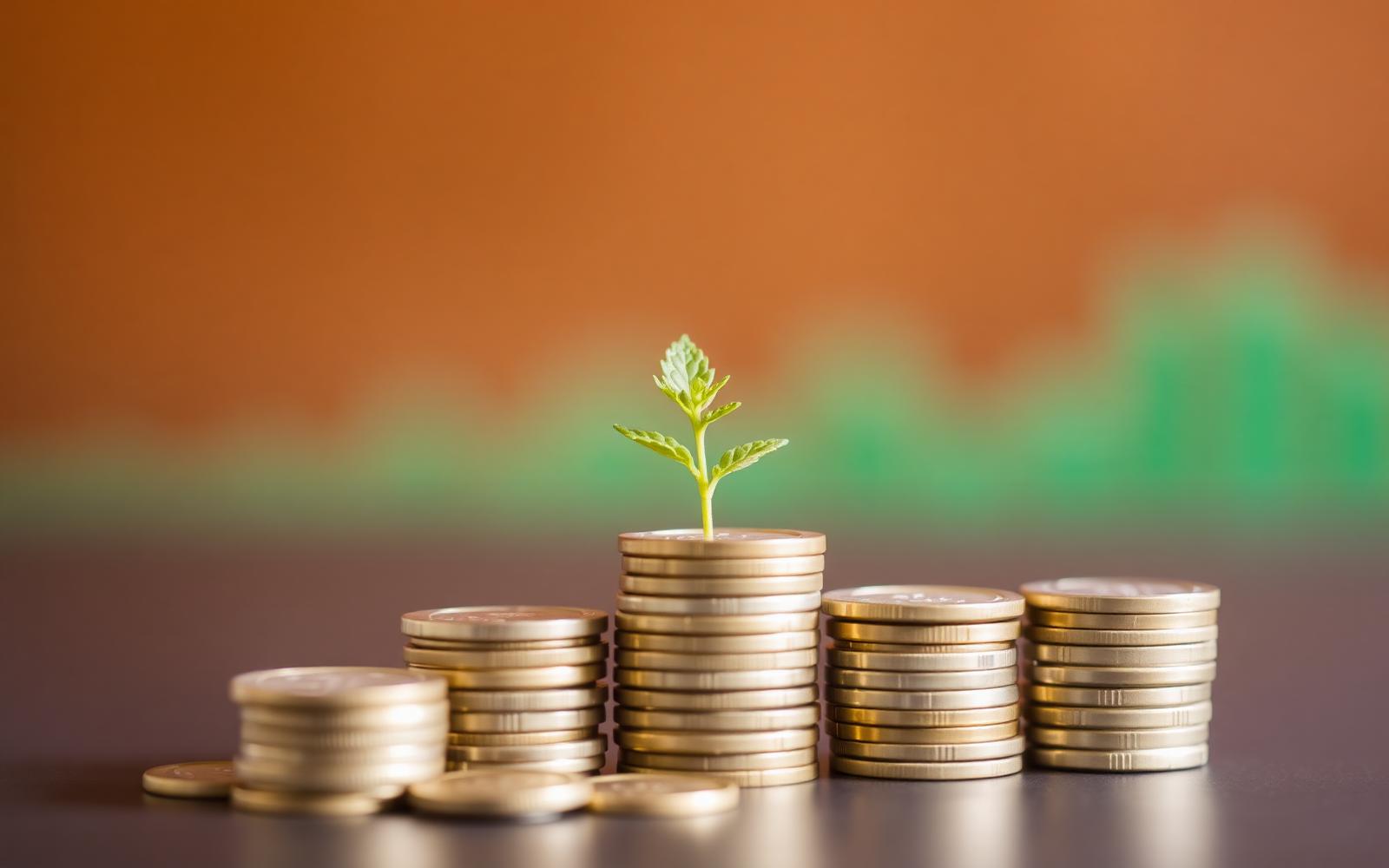
Wealth built slowly is wealth that lasts. The math is not complicated; the patience is. A modest, automated contribution, held for decades, will outperform most cleverness — and most of the people trying to be clever.
The problem with compounding is that it does almost nothing for a long time, and then, quietly, it does almost everything. The first ten years feel like nothing is happening. The last ten years look like a miracle. Most people quit somewhere in the middle.
The best financial decisions are the ones you make once. Automate the transfer on payday. Choose a boring index fund. Raise the contribution by one percent every time you get a raise. Then look away for a decade. The rare skill in personal finance is not picking; it is not-touching.
Debt works the same way in reverse. A small balance, left alone, becomes a large one. The same patience that builds wealth on one side of the ledger destroys it on the other. Pay the expensive debt first, ruthlessly, and treat the freed cash flow as future savings, not new spending.
You will not feel rich along the way. That is the tax. What you will feel, slowly, is optional — able to say yes to the job you want, and no to the one you do not. That, more than any number, is what saving is for.