We are walking our cities again
A quiet revolt against the car-first block, and the neighborhoods rediscovering the pleasure of a slow street.
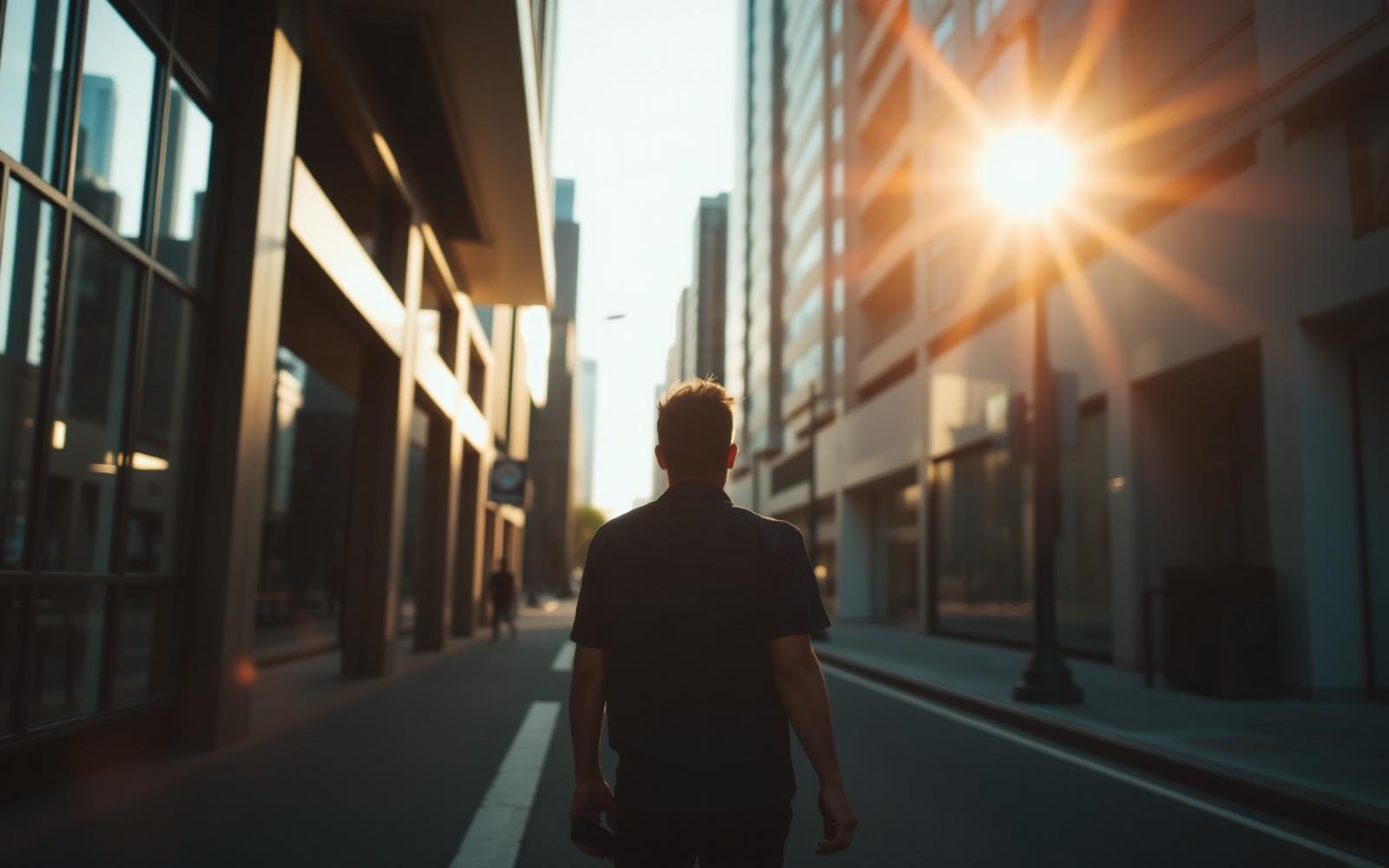
There is a growing appetite for cities you can move through on foot: shaded, mixed-use, human-scaled. Streets where a child can be sent to buy bread, where an old person can sit outside without an occasion, where you meet neighbours because the geometry of the block makes it inevitable.
It is not nostalgia. It is a design brief for the next twenty years. Widened sidewalks, narrower lanes, benches every hundred metres, ground floors that open to the street. Small moves, repeated across a district, that quietly change what a place is for.
The economic case has arrived alongside the aesthetic one. Walkable blocks host more small businesses per square metre than any drive-through corridor. Property values follow, but so does something harder to measure — the sense that a place is worth staying in, not just passing through.
The obstacle is rarely the public. It is the inheritance of fifty years of engineering standards written for cars first and people second. Reversing that is slow, unsexy, municipal work: a signal timing here, a curb extension there, a pilot that lasts long enough to become permanent.
The cities winning this quiet argument are not the largest or the wealthiest. They are the ones with mayors willing to close a street for a summer, and count what happens.